
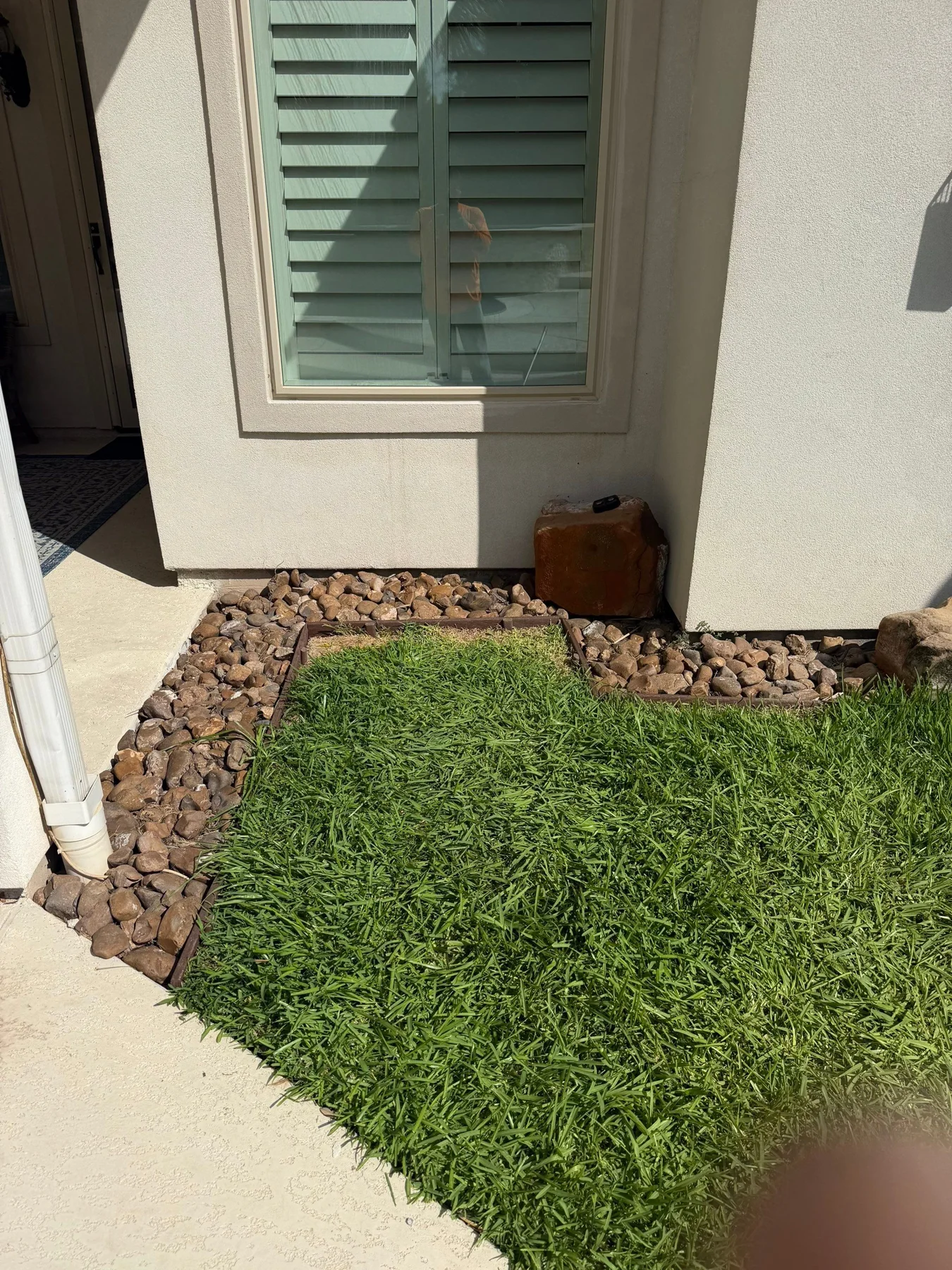
Stucco maintenance works best as a repeatable walk-around, not a collection of products applied whenever something looks different. Choose a safe viewing route around the property and keep dated photographs of the same locations.
Start with the wall and its connections
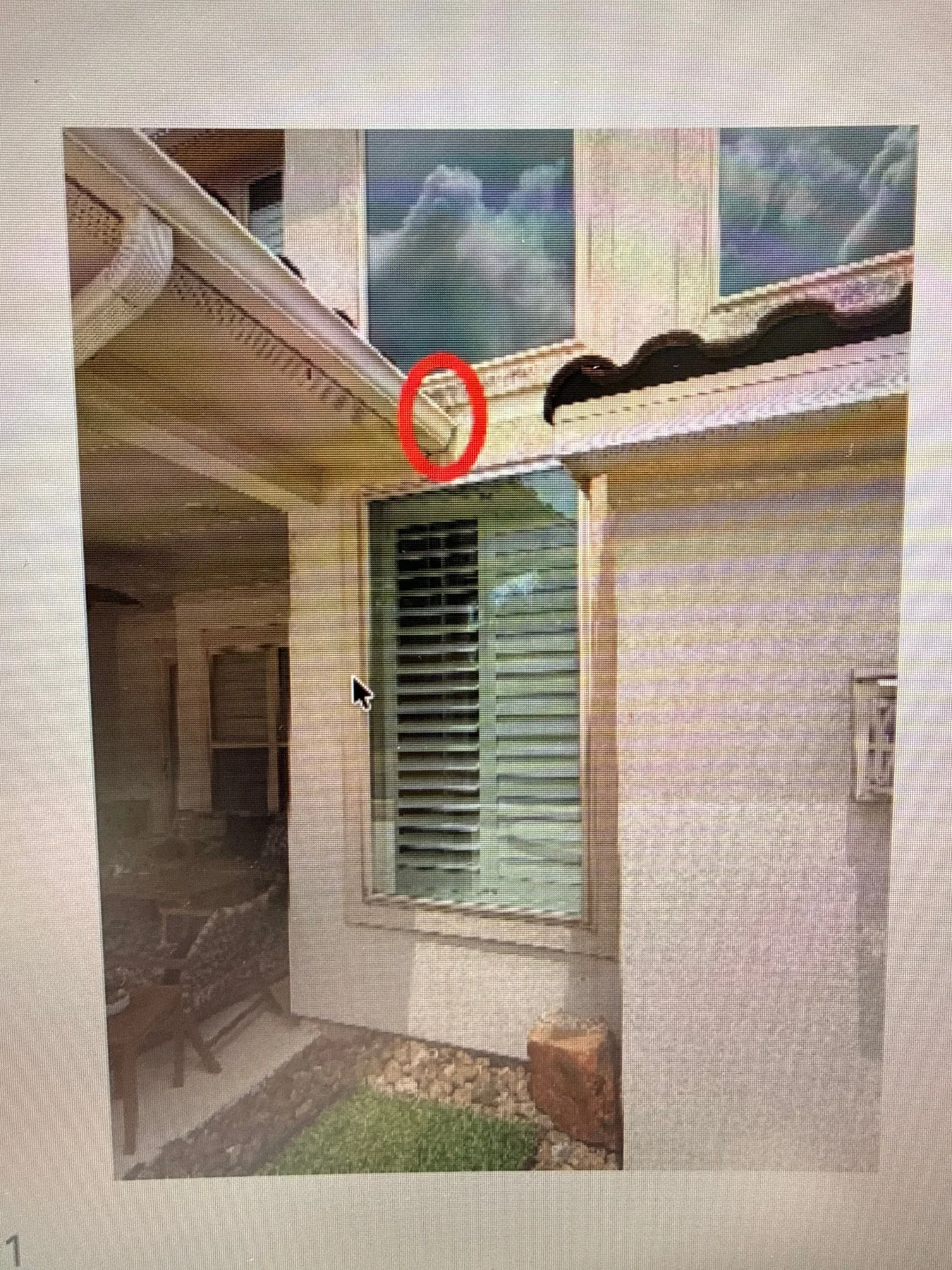
Look for changed cracks, chipped areas, peeling coatings, and stains near windows or roof edges. Note sealant that is visibly separated from adjoining materials. A ground-level review cannot verify concealed flashing or high areas, so record anything that needs closer professional access.
Check the surrounding conditions
- Is irrigation repeatedly wetting the wall?
- Are shrubs hiding the lower exterior or preventing access?
- Are gutters visibly overflowing during rain?
- Does water collect beside doors, stairs, or patios?
- Have recent landscaping or deck changes covered an existing outlet?
Do not fill openings simply because they look like gaps. Some exterior details are intended to drain. Have their purpose identified before sealing them.
Use cleaning as a controlled task
Ask for a method compatible with the finish and existing coating, with a small trial area where appropriate. Avoid directing forceful water into cracks, joints, or openings. If discoloration returns, document it and investigate rather than repeating progressively harsher cleaning.
A simple record you can reuse
For each concern, keep one entry with five items: location, date, photograph, observed change, and action taken. “Rear wall below the left window, stain returned after rain” is more useful than “stucco looks bad.” Add the contractor's findings and product information after work is completed.
Use consistent names for the elevations and windows. This helps when a second provider reviews the property or a future owner needs to understand the repair history. Review the same locations again after the next relevant weather event rather than photographing only new concerns.
Keep a useful maintenance file
Save repair dates, coating information, proposals, and photographs. After a significant storm or nearby construction, compare the areas you already documented. Your contractor can help set a review interval based on the wall's condition and installed materials.
For a recurring concern, read our water-damage repair guide before requesting another surface treatment.