
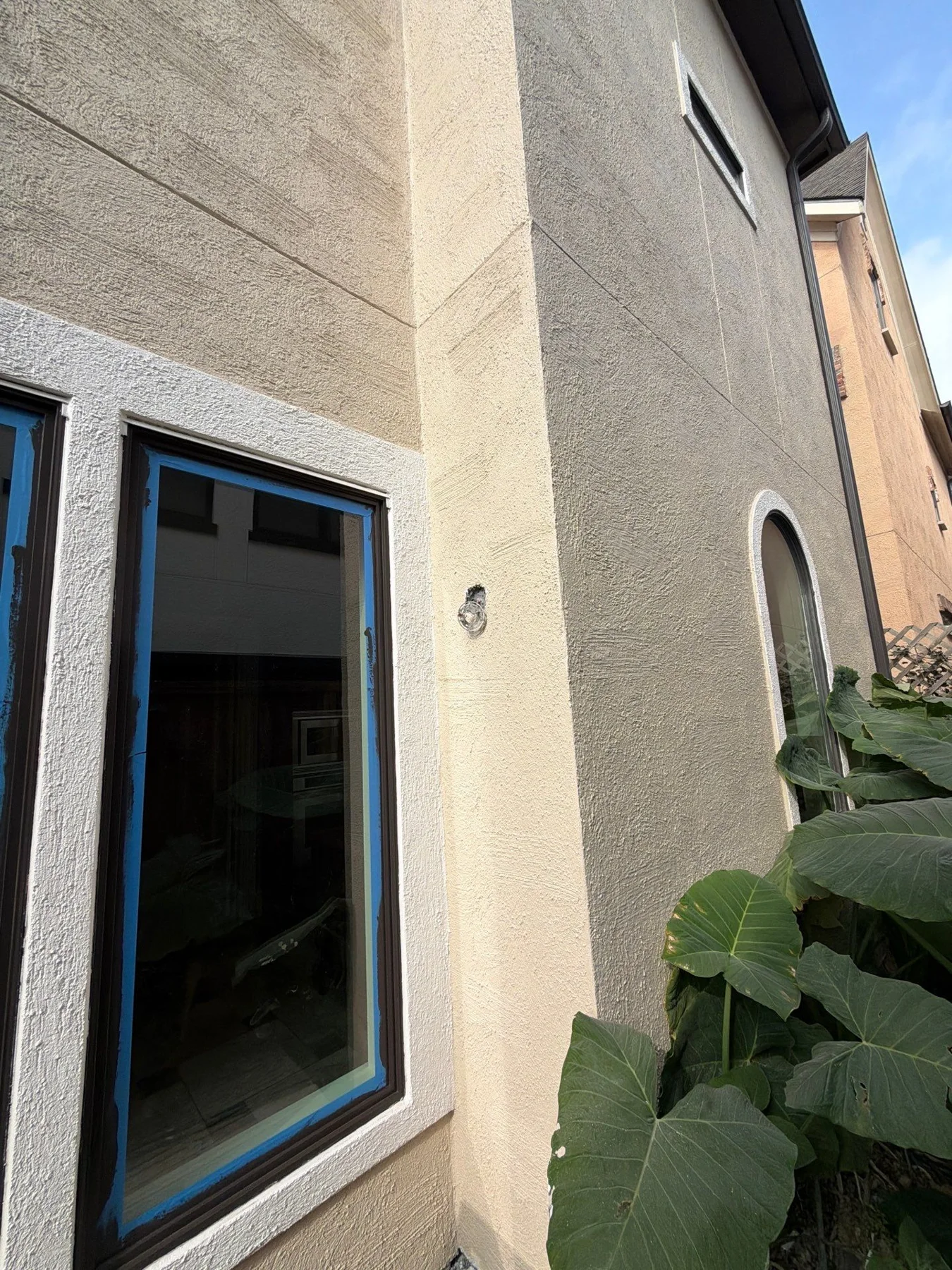
If the exterior looks tired, repainting may be one option. Replacing cladding is a larger decision involving the wall assembly and its connections. Start by identifying whether the problem is appearance, damaged material, or an unresolved performance concern.
When the finish is the main concern
If the existing material is suitable to retain, ask what preparation and repair are needed before a new coating. Review sample colors and the expected paint boundaries. The condition should be assessed before a color refresh is treated as a complete repair.
When replacement is being proposed
Ask what findings support removal and which layers are included. Changing cladding can affect openings, trim depth, adjoining masonry, and water-management details. A new material should not be selected solely because an online photograph looks appealing.
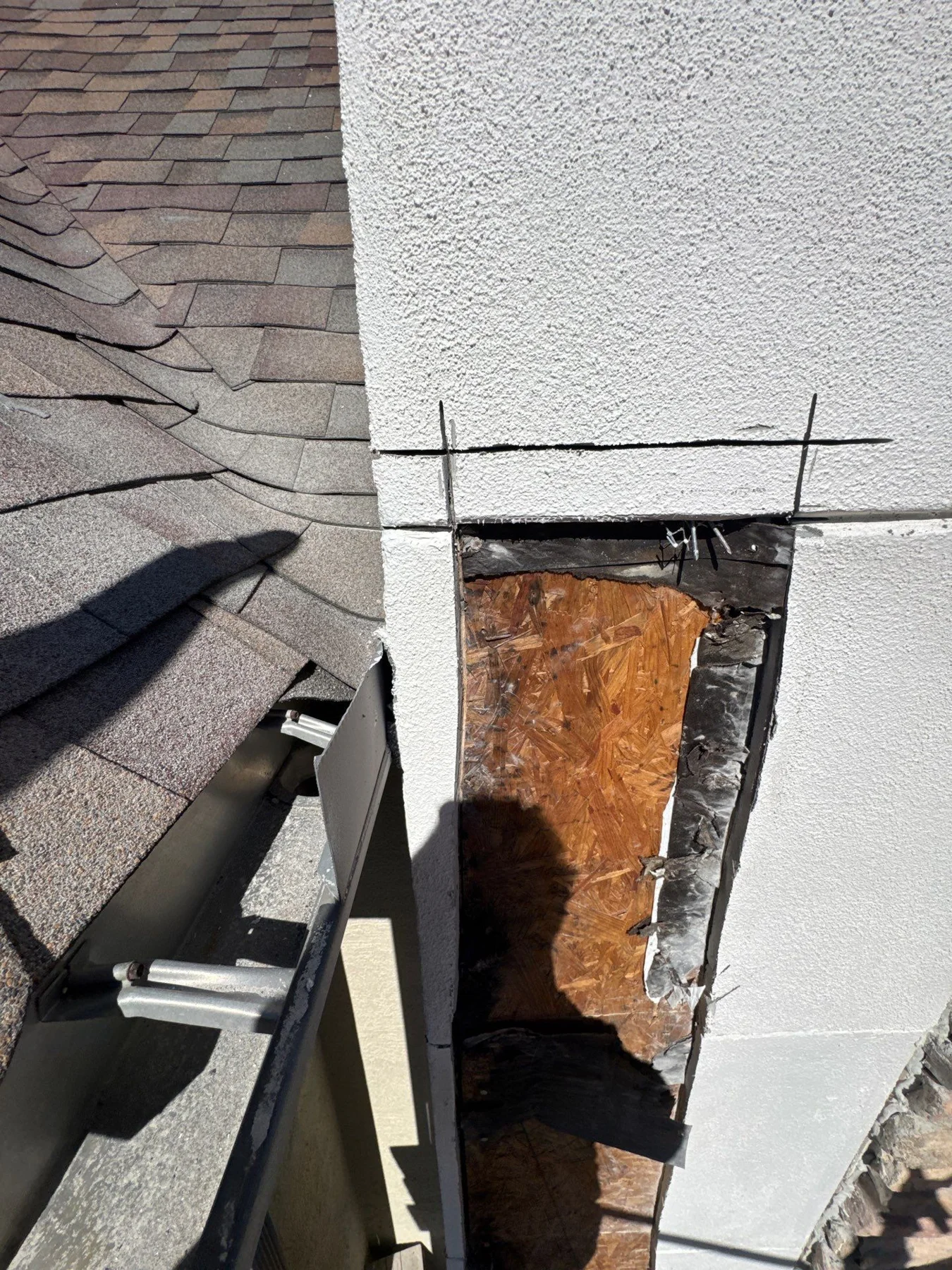
Review mixed-material transitions
Many Houston homes combine stucco with brick, stone, or siding. Clarify who handles those edges and how the new work meets what stays. The proposal should identify any specialist work or approvals that the change requires.
Compare the complete scope
- Removal and preparation.
- Underlying condition assessment and allowances.
- New or retained exterior layers.
- Window, door, and roof connections.
- Finish boundaries, access, and cleanup.
Do not assume every contractor installs every cladding product. Ask Monolite to confirm the services relevant to your project before planning around a specific replacement material.
For a stucco exterior, our repair-versus-replacement guide helps distinguish a targeted repair from wider restoration.