
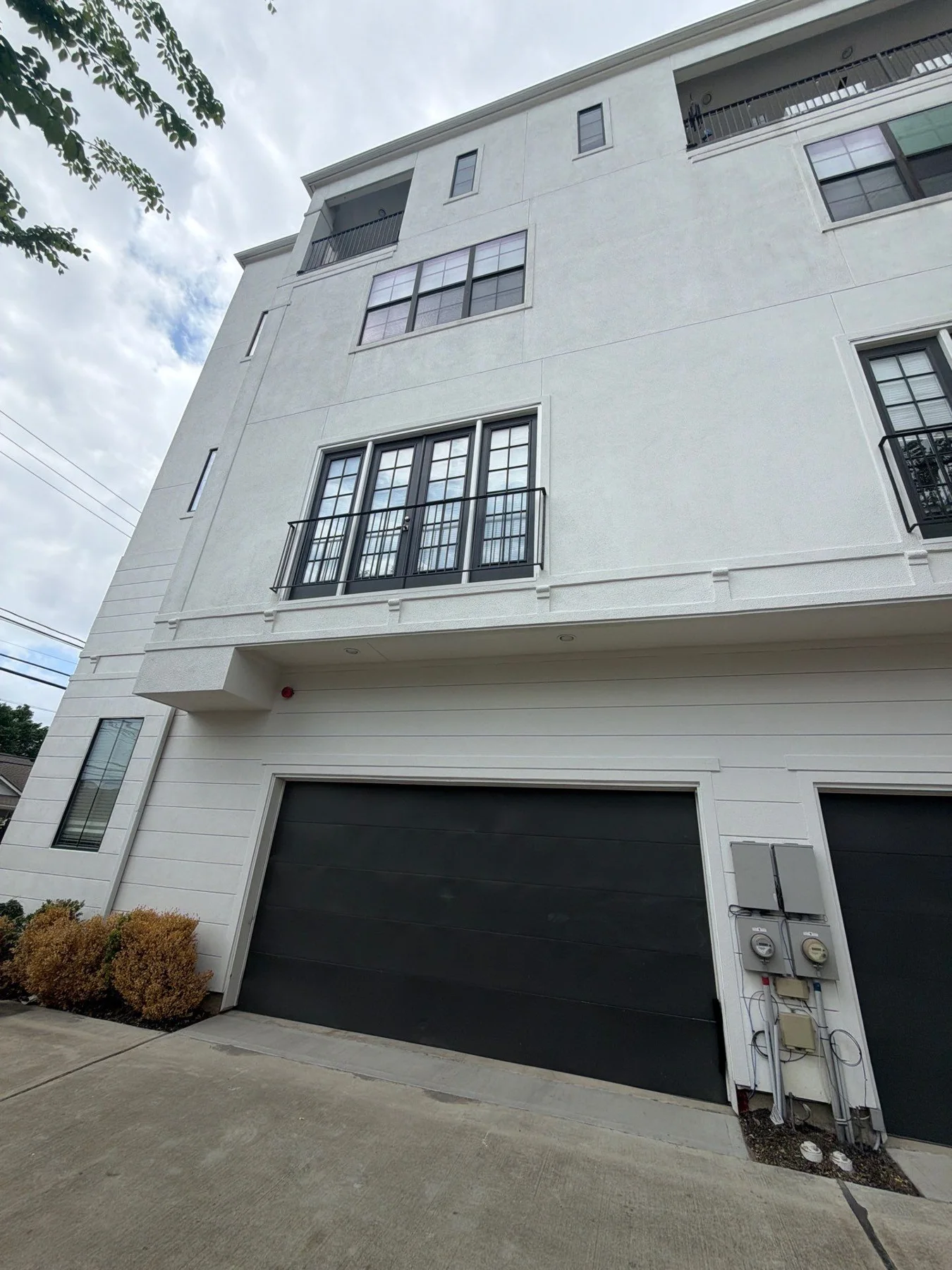
A room that feels drafty can lead homeowners to blame the nearest visible exterior crack. The two may be related, but they need assessment before a stucco repair is sold as an energy solution.
Describe the comfort problem
Note the room, weather conditions, time of day, and location where air movement is noticeable. Explain whether the concern appears around a window, door, baseboard, or another opening. Keep that information separate from any rain-related stains.
Identify the relevant scope
Air leakage, insulation gaps, equipment operation, and window condition are different questions. A finish repair addresses a defined exterior area; it does not automatically establish that an air-control layer has been restored. Ask what the proposed work is intended to change.

Consider an energy assessment
The Department of Energy's consumer guide describes professional assessments that use equipment to investigate performance. Its preparation advice includes noting uncomfortable rooms and providing energy records. Those findings can make a repair or upgrade proposal more specific.
Coordinate with needed exterior repairs
If the wall is already being opened for a documented exterior problem, share the assessment findings with the repair team. Ask whether the relevant detail is accessible and who should design or perform any additional work.
- Record the original concern and assessment findings.
- Describe air-sealing work separately from stucco finishing.
- Keep product and installation records.
- Review results without assuming a fixed savings percentage.
Our open-wall insulation guide explains the questions to ask before an accessible area is closed.