
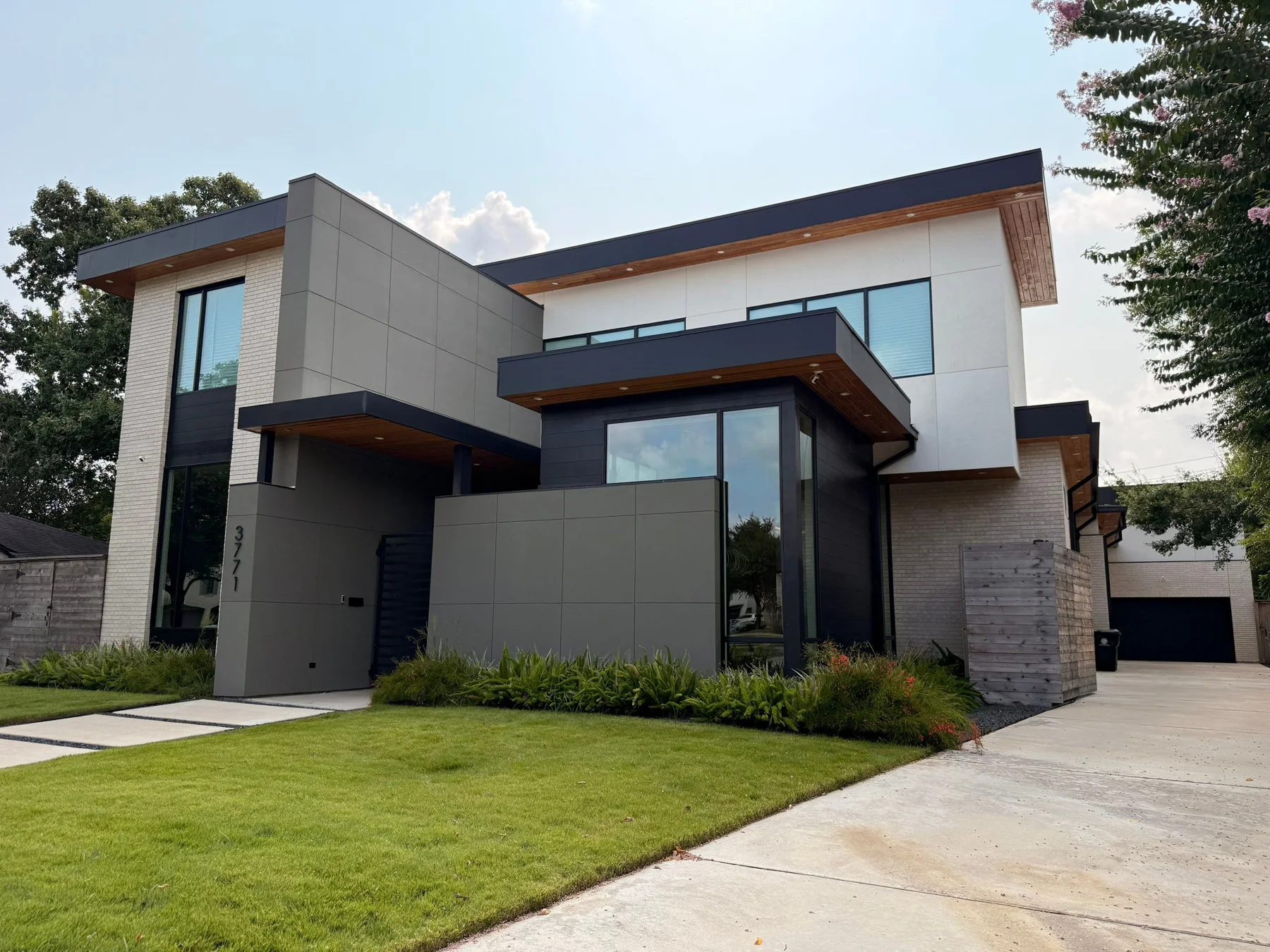
Stucco can be part of a well-performing exterior wall, but the visible finish is only one component. If high cooling bills are your concern, look at the home's insulation, air leakage, windows, equipment, and usage before assigning the problem to the cladding.
Distinguish thermal mass from insulation
A material's ability to store heat is different from its resistance to heat flow. Cement stucco is not a substitute for an insulation layer. EIFS includes insulation as part of its assembly, but the actual system and continuity of that insulation matter.
Ask for a measurable starting point
The Department of Energy's assessment guide describes how a professional review can investigate home energy performance. Bring bills and notes about uncomfortable rooms so proposed improvements can address the actual concern.
Separate repairs from upgrades
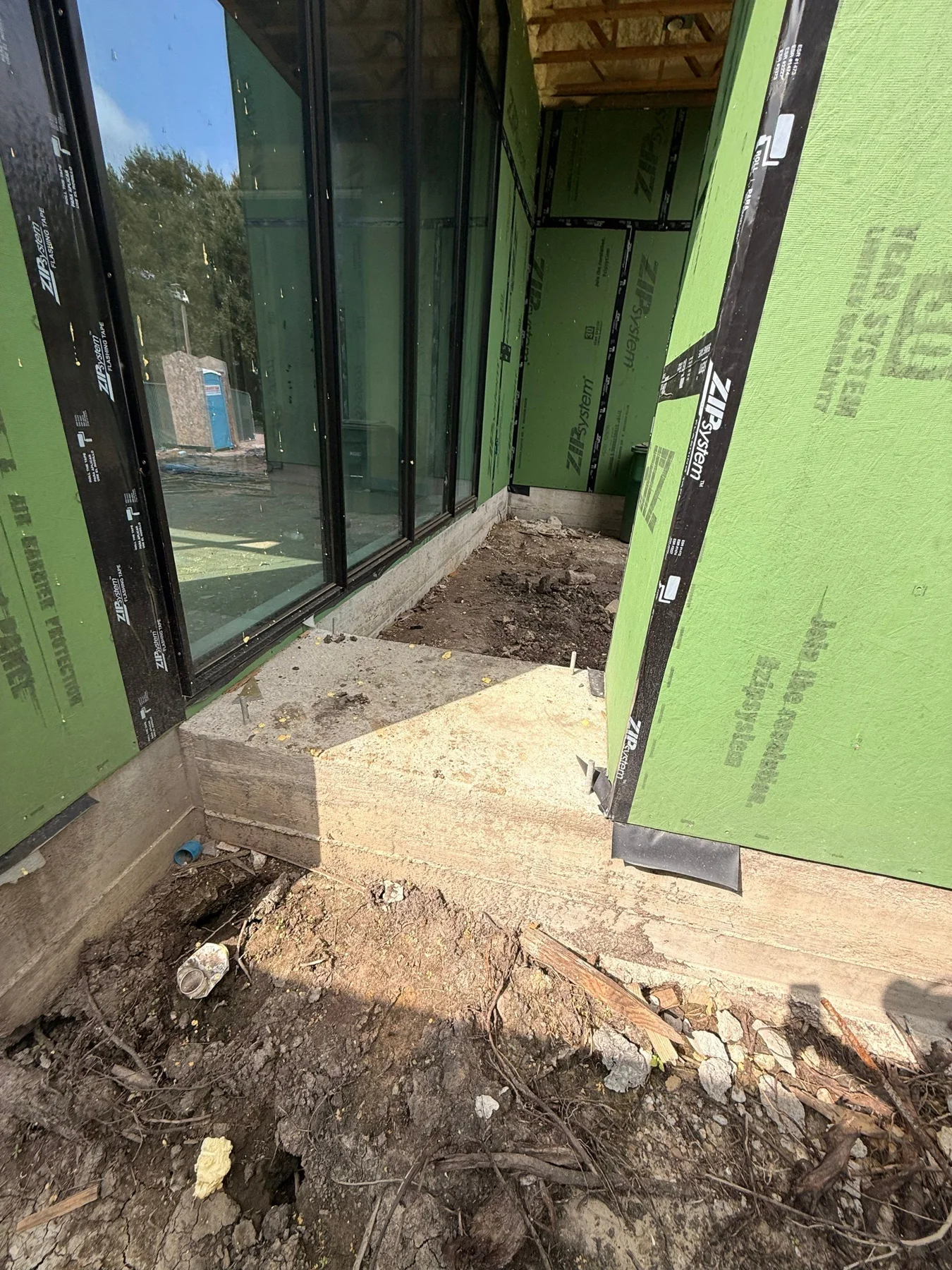
If exterior work is already needed, ask whether an insulation or air-sealing improvement is practical within that scope. Have its materials, location, and expected purpose described separately. A cosmetic patch should not carry a percentage savings claim without property-specific evidence.
Use color as a design decision with limits
Evaluate coating performance from the actual product information. Do not assume a light paint color will deliver a particular reduction in your cooling bill. The building's orientation, shade, and other components affect the outcome.
Monolite can discuss the exterior repair portion of your project. For a wall that may be opened during that work, our insulation coordination guide explains what to ask before it is closed.