
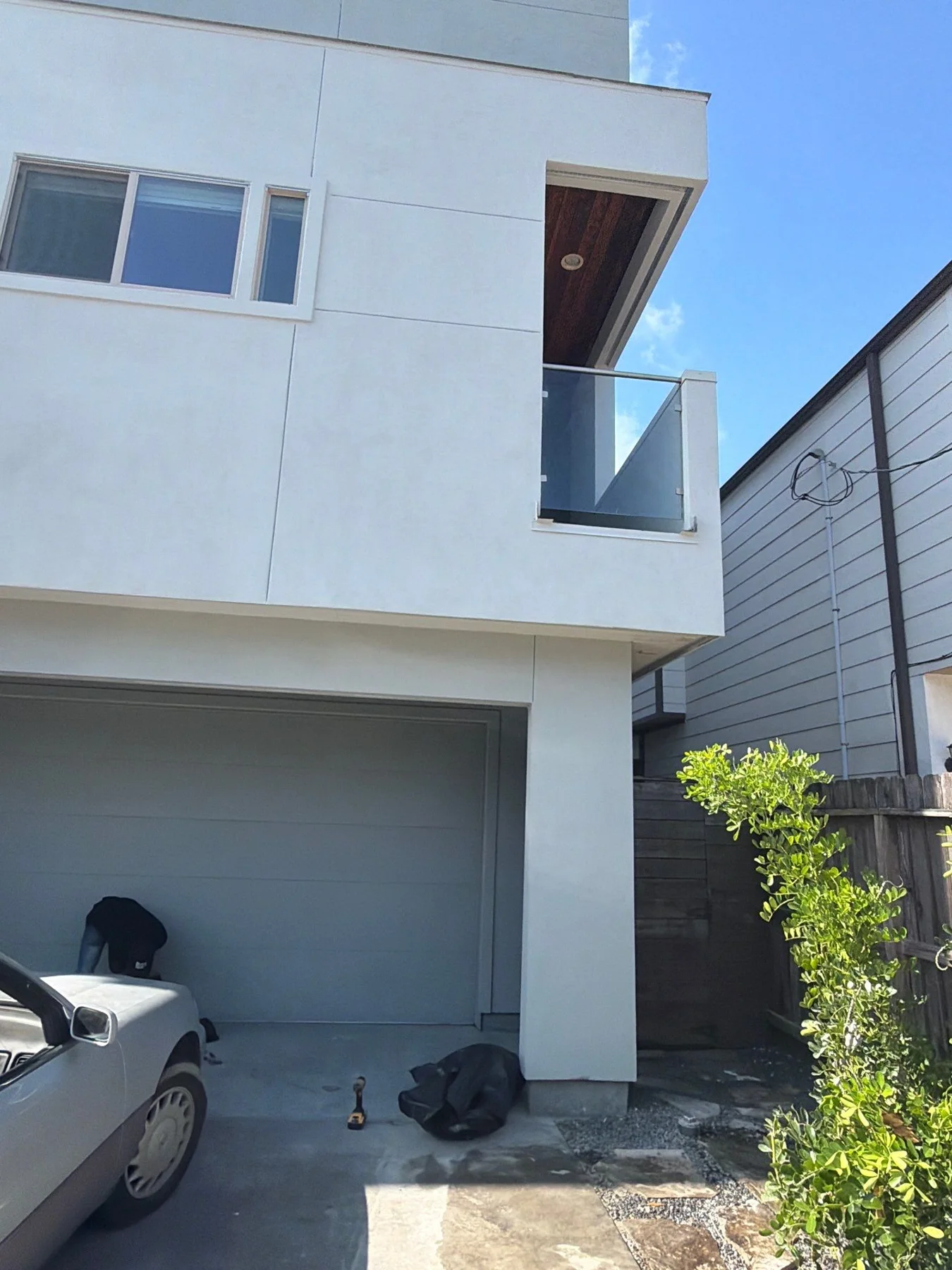
Stucco is an exterior cladding, not an air purifier. If indoor stains or odors appear near an exterior wall, the useful question is whether a moisture problem needs attention. Choosing or repainting stucco alone cannot establish that indoor air is healthy.
Investigate the source of dampness
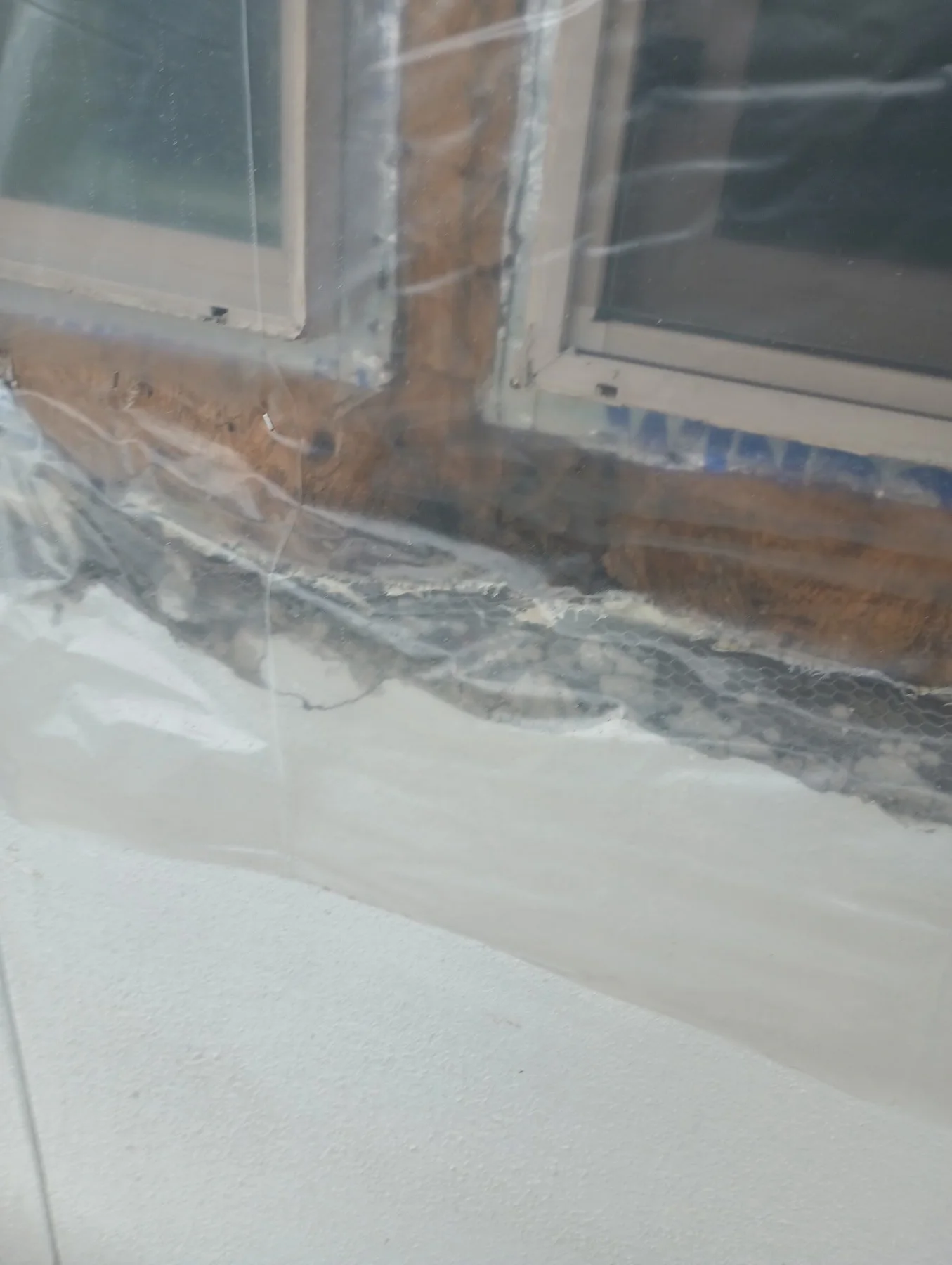
Record whether the concern follows rain, appears when air conditioning runs, or persists regardless of weather. Include the room location and corresponding exterior wall in your notes. Plumbing, condensation, and exterior leaks need different responses, so avoid assuming every mark begins in the stucco.
Separate repair from cleanup
The EPA's mold and moisture guide explains that moisture control is central to addressing mold. Fixing a leak and handling affected interior materials are related tasks, but one does not automatically complete the other. Suspected hidden mold may need an experienced professional.
Be specific about materials
Ask for product information for any primer, coating, sealant, or repair material being proposed. Do not rely on a blanket statement that all stucco systems or paints contain no volatile organic compounds. The actual products and where they are used matter.
Prepare for the right conversation
- Send dated photographs of both interior and exterior symptoms.
- Describe the timing and any previous repairs.
- Ask what part of the moisture issue the exterior proposal addresses.
- Clarify whether interior assessment or cleanup is a separate service.
For the exterior portion, Monolite can discuss stucco and EIFS repair. For health symptoms, contact a healthcare professional rather than relying on a building photograph or a coating recommendation.