
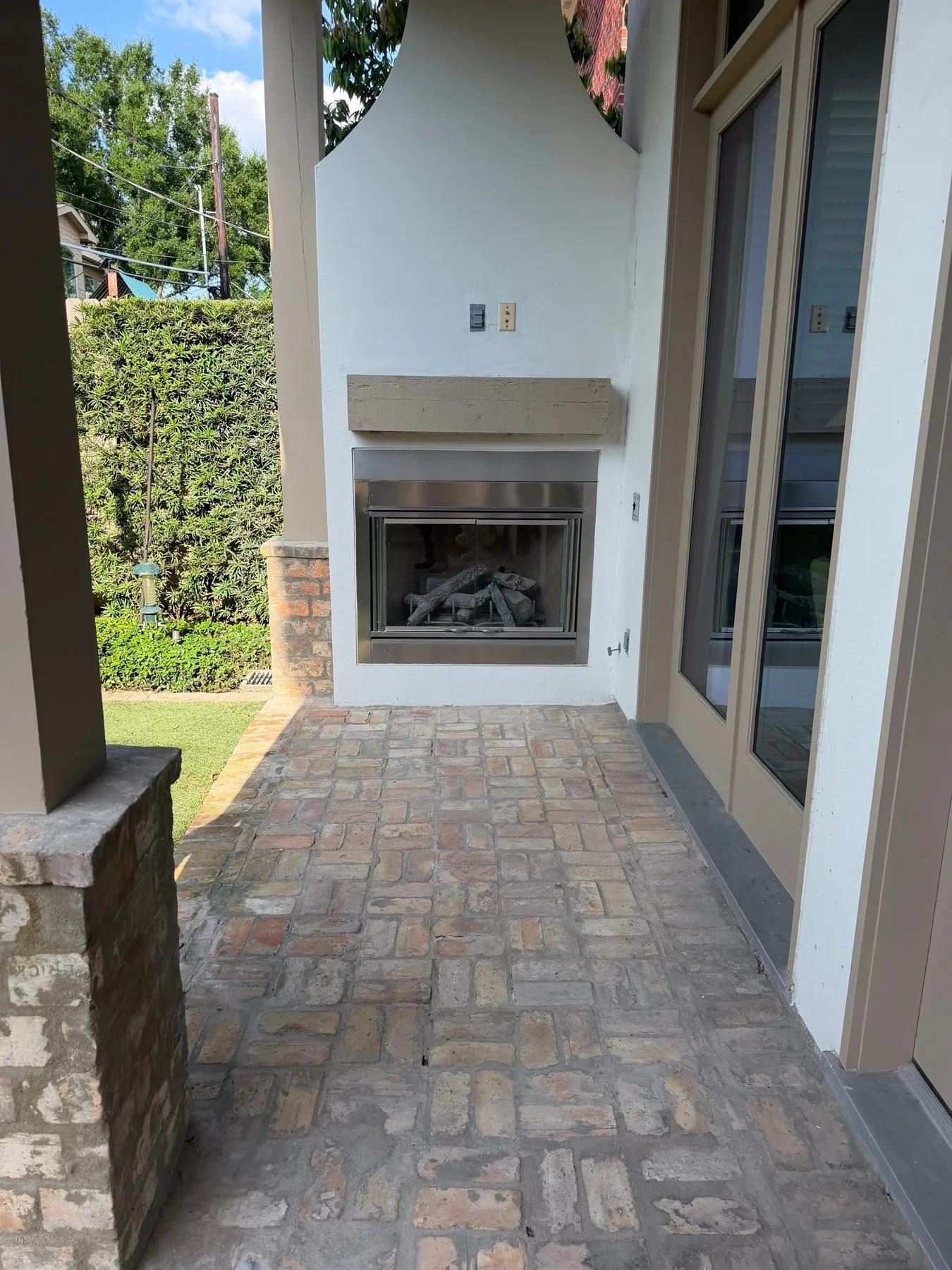
A tired patio does not always need a new slab, and a decorative overlay does not solve every patio problem. Start by identifying whether your goal is a different appearance, correction of a defect, or both.
Review the existing condition
Photograph cracks, uneven areas, surface wear, and any water that remains after rain. Note changes near the house and doorway. A coating can change the finish, but it should not be presented as a correction for unresolved movement or a significant level difference.
Compare the scope options
A localized repair addresses a defined area. Resurfacing changes the top surface of a suitable substrate. More extensive rework may be needed if the existing condition does not suit the intended use. Ask what findings support the proposed approach and what alternatives were considered.
Include the surrounding details
Check the planned finished height at thresholds, steps, drains, and adjoining walls. Discuss movement joints and the transition to other paving. If the outdoor area is elevated, it needs a balcony or deck assessment rather than assumptions based on a ground-level patio.
Make the design practical
- Choose materials documented for the actual outdoor exposure.
- Discuss wet-weather traction and cleaning.
- Review a physical color and texture sample.
- Confirm curing time and when furniture can return.
- Ask what routine maintenance is expected.
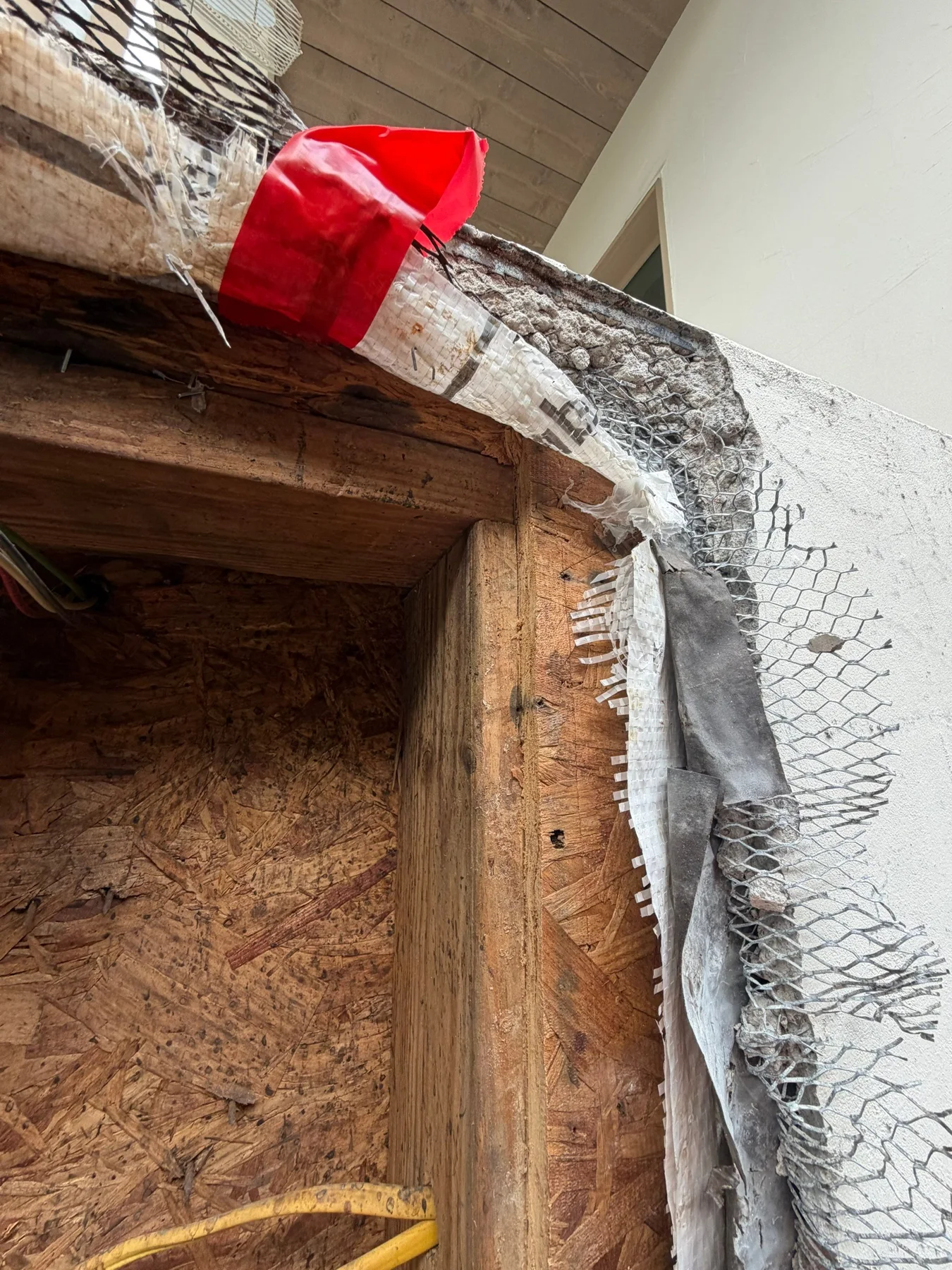
Monolite can review related outdoor repair and waterproofing needs. The photographs here show a patio-side wall restoration, not slab replacement or proof that the patio surface was resurfaced.