
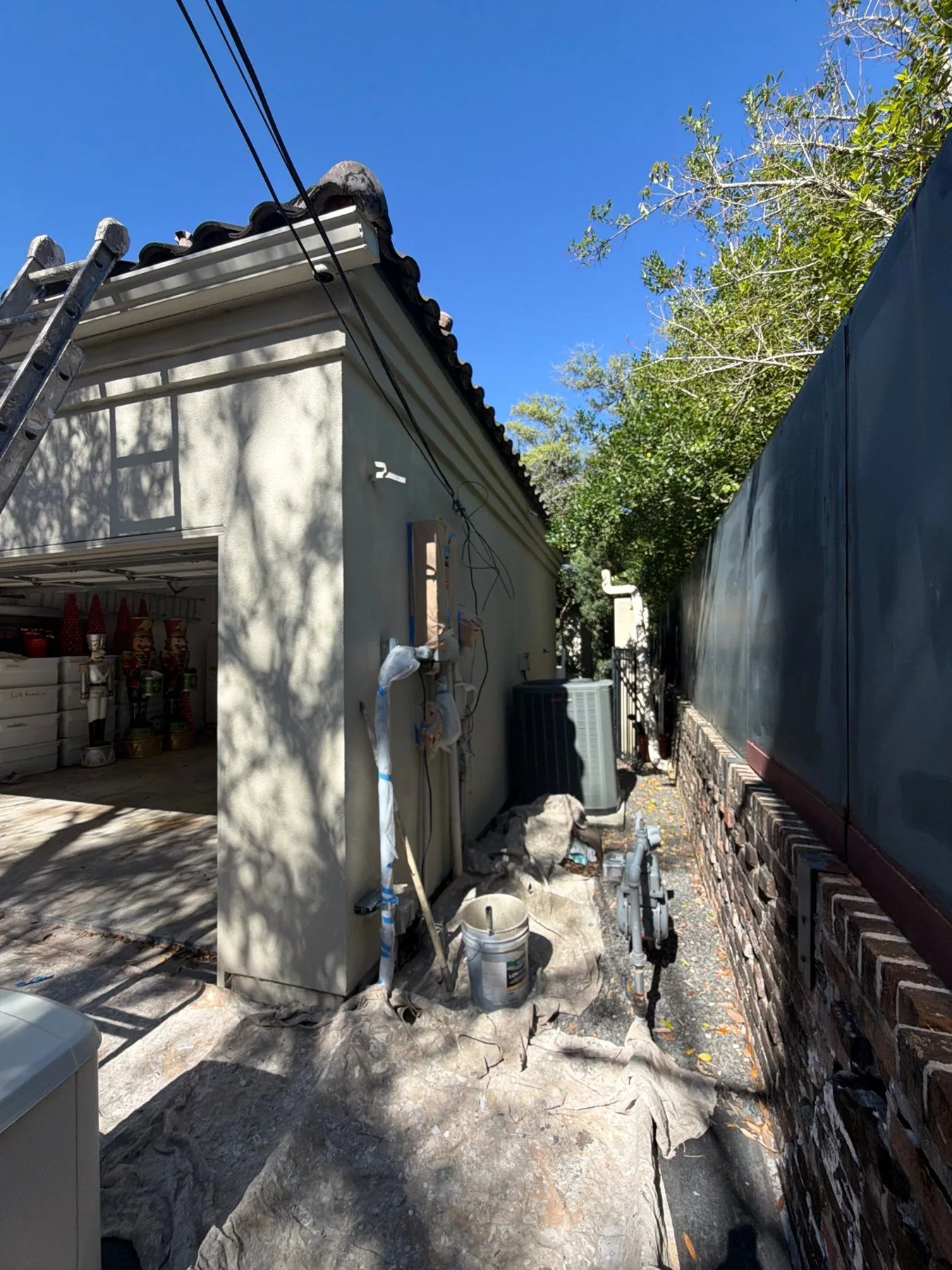
Paint and sealant often appear in the same exterior proposal, but they perform different jobs. Understanding where each will be used helps you compare a complete painting scope with a simple color refresh.
Ask what the coating is intended to do
Confirm the exact product, approved surfaces, and preparation requirements. Some masonry coatings offer crack-bridging or rain-resistance characteristics under specified application conditions. Those properties do not establish that an active leak or moving joint can be corrected by painting over it.
Give the joints their own scope
Have the contractor identify which window perimeters, transitions, and existing sealant joints will be addressed. Ask whether deteriorated material will be removed, what preparation is included, and how the sealant and coating are checked for compatibility.
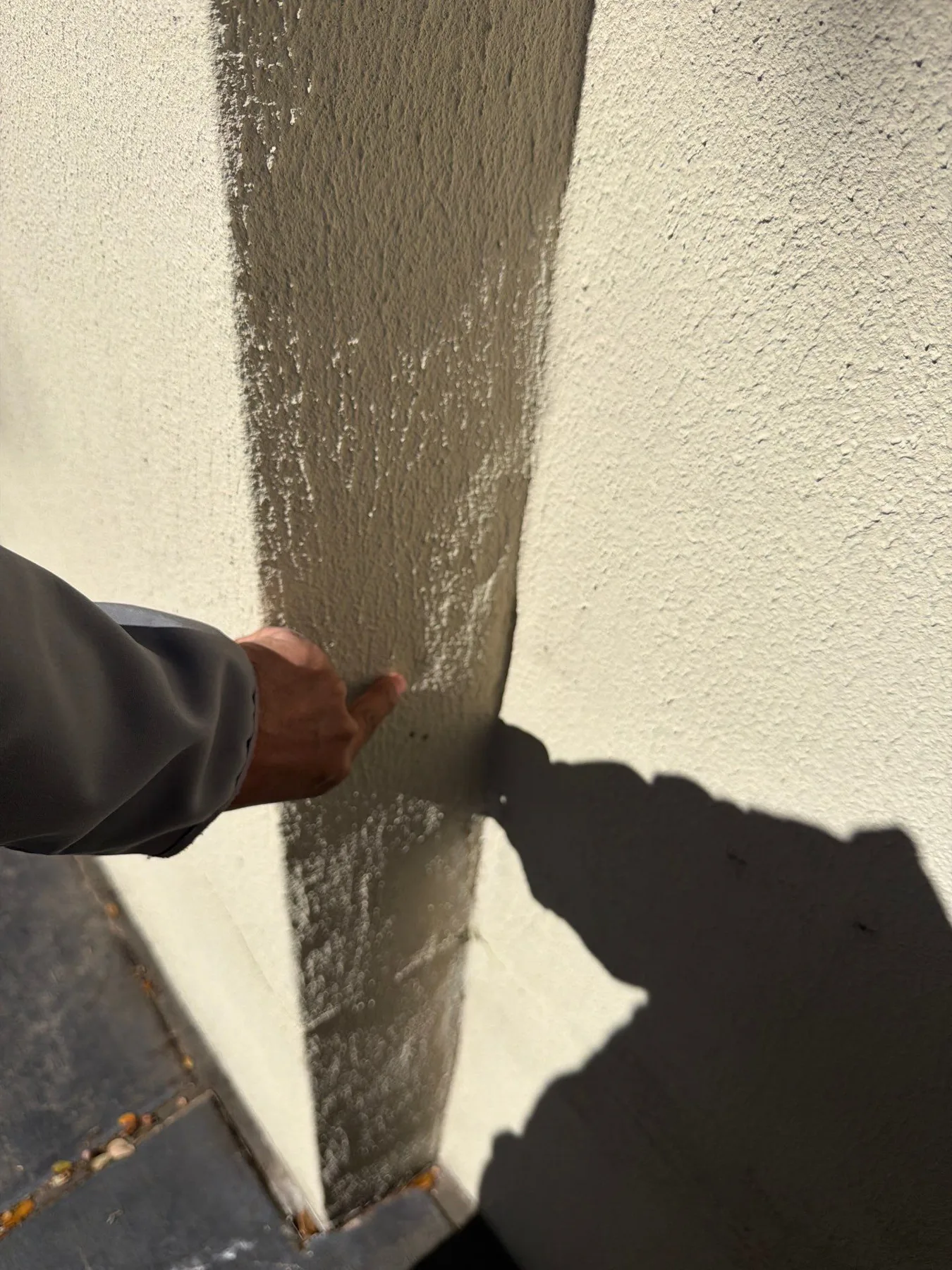
Do not confuse gaps with defects
Some openings are part of a designed drainage path. Before sealing an unfamiliar opening, ask what function it serves. A proposal that says “caulk everything” is less useful than one that identifies the actual joints needing work.
Review appearance and maintenance
Sealant and adjacent paint can age differently. Discuss the expected finish, whether the sealant is paintable, and what maintenance the selected materials require. Save product information for future repairs rather than relying only on a color name.
Bring photographs of peeling areas, recurring stains, and separated joints to the estimate discussion. Our painting preparation checklist covers the conditions to resolve before finishing begins.