
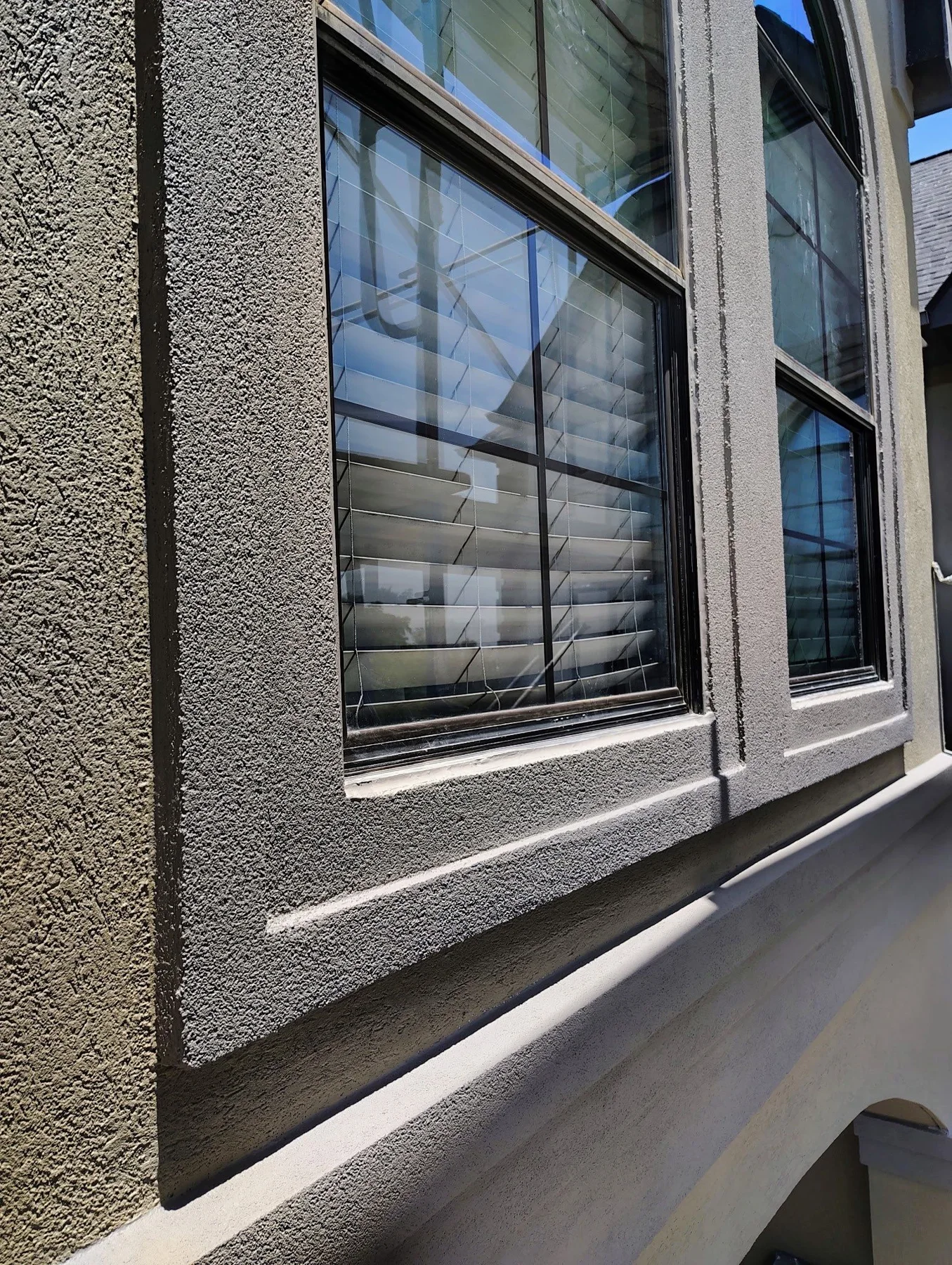
Two walls with a similar textured finish can have different layers underneath. Before discussing a repair product, establish what kind of assembly is present and which part of it is affected.
Identify the system
Traditional cement-based stucco and EIFS are not the same assembly. Existing plans, product records, and an appropriate assessment can help identify the system. Appearance alone is not a dependable basis for selecting materials for concealed repairs.
Separate the finish from the backing
A finish coat affects color and texture. A deeper repair can involve reinforcement, attachment, underlying wall materials, or water-management details. Ask the contractor to name the layers included instead of describing the entire scope as “patch stucco.”
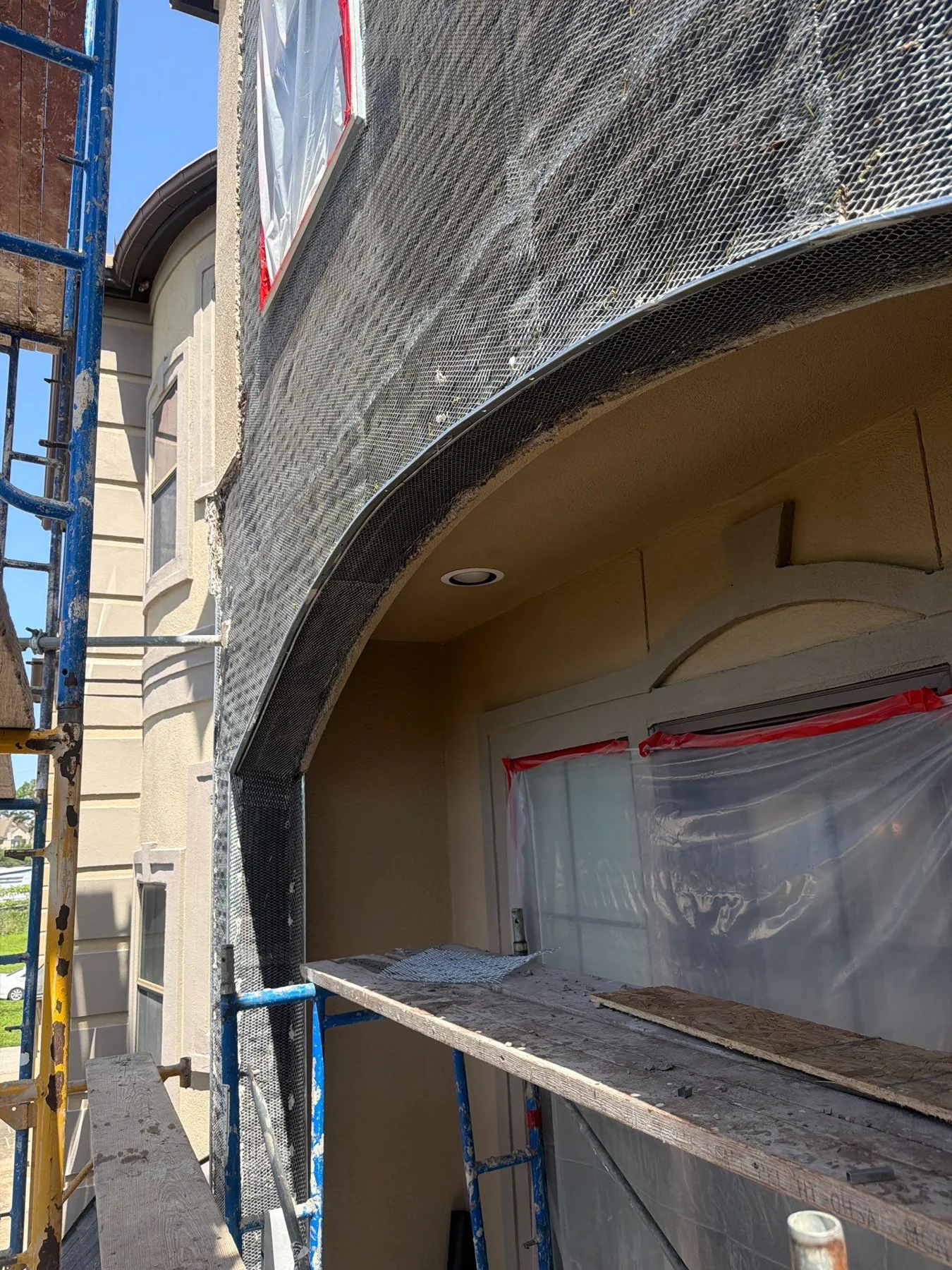
Discuss compatibility
Ask which products will be used and why they suit the existing material. More strength or a thicker coating is not automatically a better repair. Older lime-based stucco may require a different approach from a modern proprietary system. For an older building, use a specialist familiar with that assembly.
Allow for curing and finishing
Request the product-specific requirements for curing, drying, preparation, and coating. Cement-based materials develop strength through hydration; a repair should not be rushed simply because its surface looks dry. The proposed schedule should account for the actual products and conditions.
Keep the material record
Save the installed product names and a sample of the intended finish. Photos of the repair stages are also useful when future maintenance is needed. See our EIFS repair guide if your property uses an insulated finish system.