
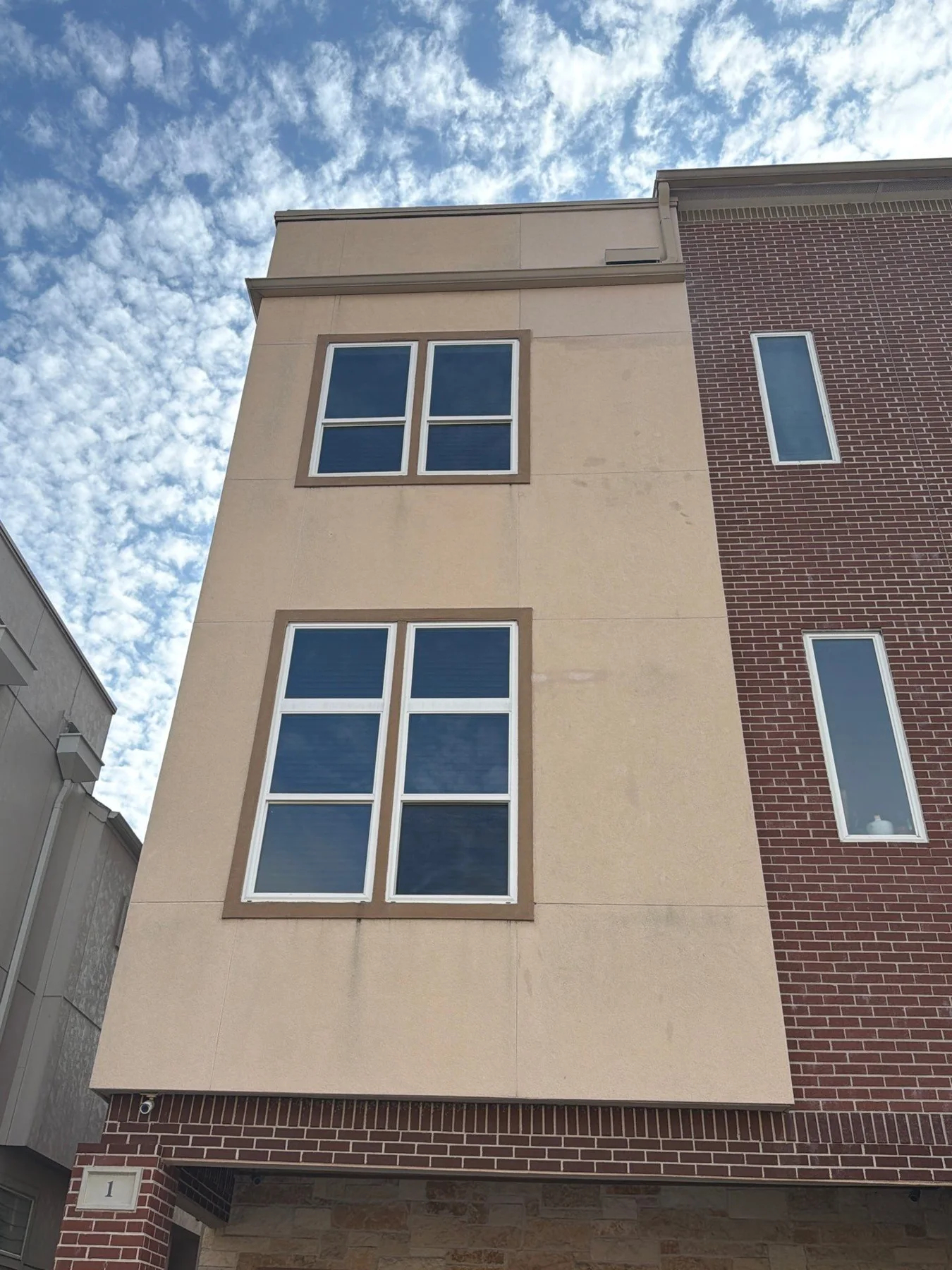
A sustainable exterior renovation starts with understanding what can stay. Sound stucco, functional details, and compatible finishes should be assessed before a full replacement is proposed simply to change the appearance.
Evaluate repairability first
Ask which areas are damaged and what evidence supports removing them. A targeted repair may retain more material, while widespread concealed issues may justify a larger scope. The choice should follow the condition of the wall rather than a blanket claim that either repair or replacement is always greener.
Separate exterior finish from insulation
Stucco is not a structural foundation, and a finish repair is not the same as adding insulation. If improving energy performance is a project goal, have the proposed insulation and air-sealing work described separately. Request product and assembly information instead of relying on a general “energy-efficient stucco” label.
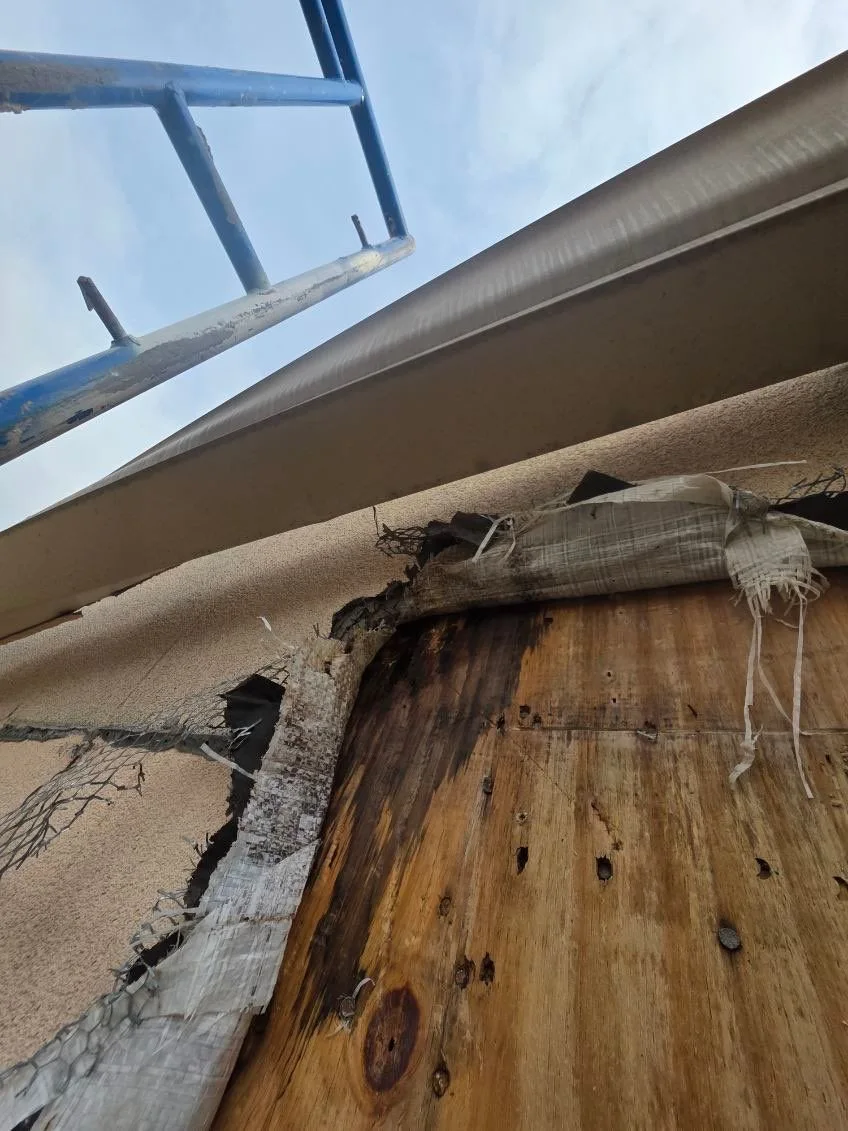
Ask about the full material plan
- What existing material will be retained?
- Which repair products are compatible with it?
- How will demolition debris and leftover materials be handled?
- Will the selected finish need different future maintenance?
- Are environmental claims supported by product documentation?
These questions make the discussion concrete without assuming a particular coating or cladding has a universal environmental advantage.
Include maintenance in the decision
Save the product names, finish samples, and repair photographs. A future contractor should be able to identify what was installed instead of starting over. A documented maintenance approach is more useful than calling an exterior maintenance-free.
Compare the scope options in our repair-versus-replacement guide before choosing the scale of your renovation.